Common Failure Points of EPDM Flat Roofs
EPDM is a type of membrane used in flat roofing systems. It is known for its durability, flexibility, and resistance to weathering. However, like any roofing material, EPDM membranes can experience failures over time. Here are some common failure points associated with EPDM flat roof membranes.
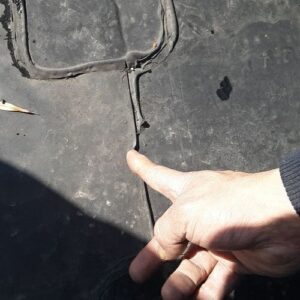
Seam Failure
EPDM membranes are typically joined together using adhesive or other techniques to create watertight seams. Seam failure can occur due to poor installation, inadequate bonding, or age-related deterioration. When seams fail, it can lead to water penetration and roof leaks.
Shrinkage
EPDM membranes can experience shrinkage over time, especially in hot climates or under prolonged exposure to high temperatures. This can cause the membrane to pull away from edges, flashings, or penetrations, creating gaps where water can enter.
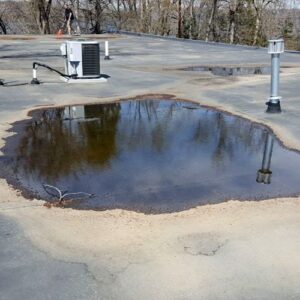
Ponding Water
Flat roofs with inadequate or improper drainage can develop areas of ponding water. EPDM membranes are generally resistant to standing water, but if it persists for extended periods, it can accelerate degradation and increase the risk of leaks and membrane failure.
Degradation
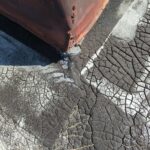
EPDM membranes can be vulnerable to UV rays from the sun. Over time, prolonged exposure to UV rays can cause the rubber to deteriorate, leading to cracking, brittleness, and reduced flexibility. This can result in membrane failure and water infiltration.
It’s important to note that many of these failure points can be mitigated or prevented through proper installation, regular inspections, and routine maintenance. At Stinson Services, we adhere to manufacturer guidelines for installation, repairs, and maintenance to help prolong the lifespan of the EPDM membrane and reduce the risk of failures. Contact us today for a free inspection.