
Heat Cable Installation in Eau Claire, WI
Give Melting Snow a Clear Path Off Your Roof
PROFESSIONAL Slate Roof Installation
Schedule With Our Team Today
Keep Your Home Ready for Many Winters to Come
When winter arrives in Eau Claire, snow and ice can build up quickly across your entire roofing system, including your gutters and downspouts. Snow that melts during the day and refreezes overnight tends to collect along roof edges and inside gutters until an ice dam forms and pushes water back under your shingles.
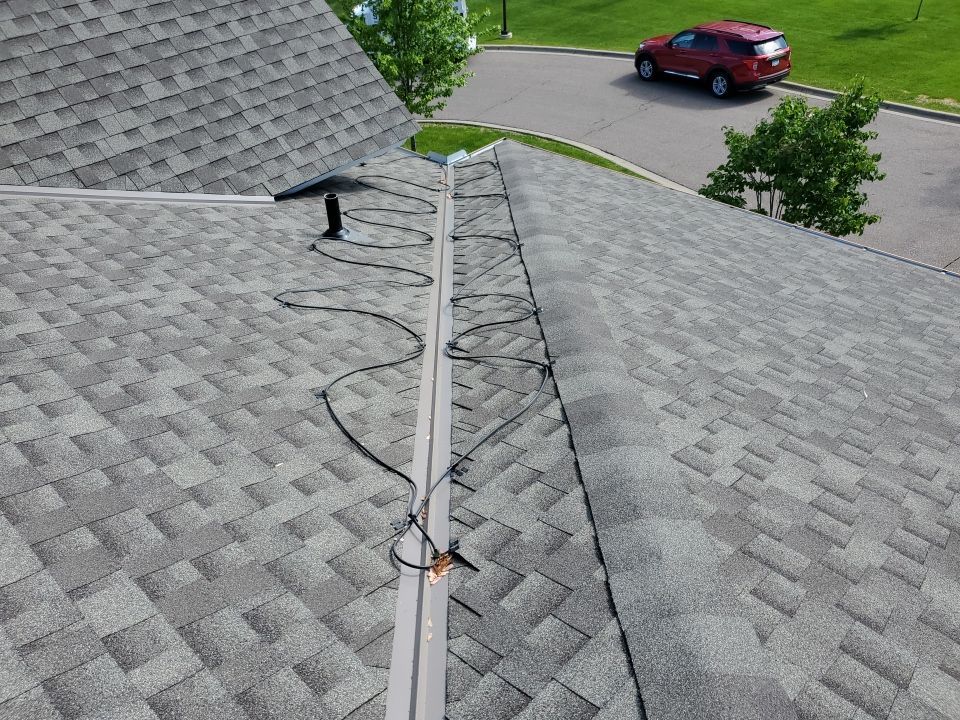
Heat cables give that water somewhere to go. Installed along the areas of your roof, gutters, and downspouts that are most prone to ice buildup, they keep water moving instead of letting it sit and refreeze. Stinson Services installs heat cable systems throughout Eau Claire designed to protect your home through the Wisconsin winter months.
How Heat Cables Work
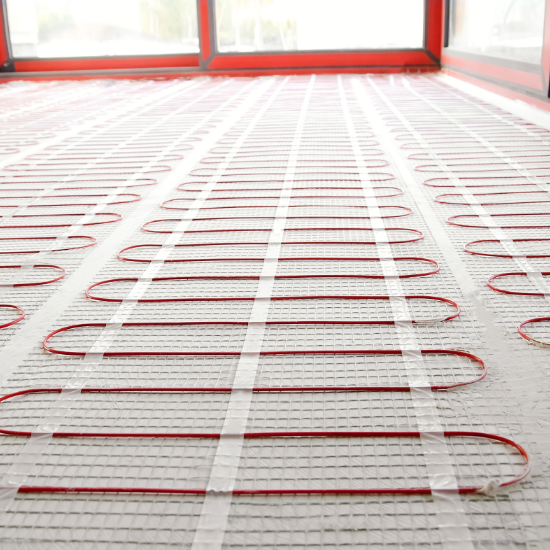
Most roofs rely on sunlight and above-freezing temperatures to eventually clear the snow and ice that has built up on the surface. That process is often slow and inconsistent, leaving snow and ice sitting on your roof for days or even weeks at a time depending on the weather.
Heat cables warm the areas of your roof, gutters, and downspouts where ice is most likely to build up, keeping melting snow flowing off the roof and through your drainage system rather than freezing solid the moment it hits a cold spot.
It is worth noting that heat cables are not a substitute for proper attic insulation. In most cases, inadequate insulation is the primary cause of ice dam formation. Heat cables help manage ice buildup in vulnerable areas, but if you are experiencing recurring ice dams, an attic insulation assessment is often the most important first step.
Why It’s So Important to Prevent Ice Dams
Ice dams rarely announce themselves early. By the time a homeowner notices a stained ceiling or a damp spot along an exterior wall, water has usually already made its way through the roof and into parts of the house that are expensive to dry out and repair. Catching the problem before it starts is almost always cheaper and easier than addressing it after the damage is done.
The cost is not limited to the ceiling either. Water that gets past the roofline can soak insulation, warp wood framing, and create the kind of damp, hidden conditions that lead to mold growth over time. Gutters and downspouts take a beating too, since the weight of trapped ice can pull fasteners loose or bend the metal outright.
How Heat Cables Can Benefit Your Home
They Keep Ice Dams From Forming
By preventing melting snow from refreezing at the roof’s edge, heat cables help stop the buildup that leads to ice dams. That means one less thing working against your roof every winter.
They Take Pressure Off Your Roof and Gutters
Ice is heavy, and a roof or gutter system holding onto it for weeks at a time takes on real strain. Heat cables reduce that load, helping prevent sagging gutters and stressed roofing materials.
They Lower Your Risk of Interior Water Damage
When ice dams do not form, water is not forced backward under your shingles and into your home. That protects your attic, your insulation, and your ceilings from the kind of slow leaks that are expensive to fix.
They Work Without You Having to Think About It
Once installed, heat cables activate automatically in freezing conditions and keep working through the whole season. There is no need to monitor the weather or manually manage ice buildup yourself.
Serving Eau Claire and the Chippewa Valley Since 2003
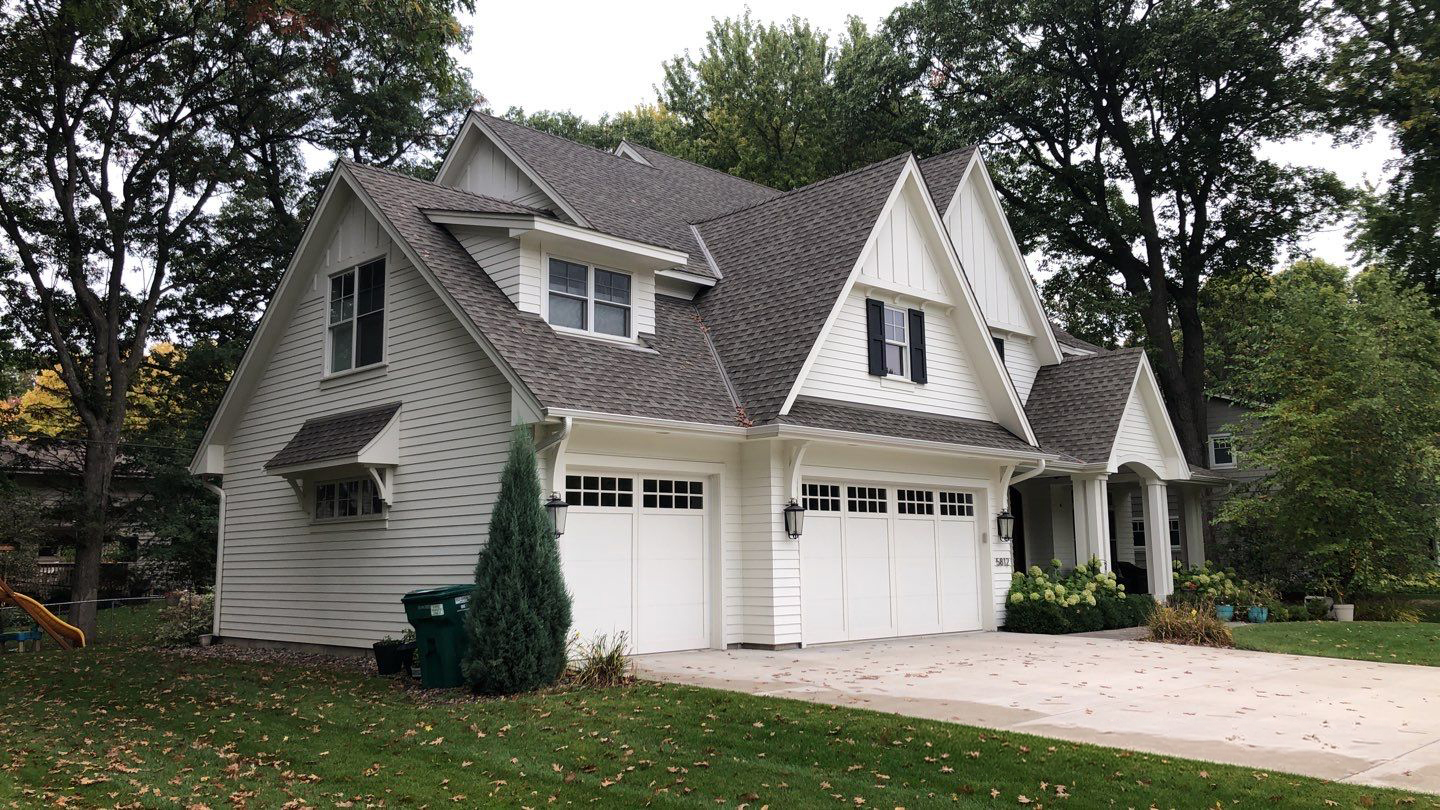
Protecting a roof through Wisconsin winters takes real local experience. Since 2003, Stinson Services has worked on roofs, gutters, and downspouts throughout Eau Claire and the surrounding Chippewa Valley, and we have seen exactly how this region’s winters cause ice dams to form.
Eau Claire homeowners work with us because:
We have been protecting roofs in the Chippewa Valley since 2003
We know where ice dams tend to start on homes in this region and how to address them
Cables are placed based on your roof's actual risk areas, not a standard layout
Our approach is built on local experience, not a one-size-fits-all install
We will also let you know if attic insulation is a more important first step for your situation
Our Heat Cable Installation Process
Every roof handles ice differently depending on its shape, its shade, and how well its gutters drain. A heat cable system that works well on one home might miss the mark on another. Here is how we make sure yours is built around what your roof actually needs.
We Inspect Your Roof and Gutters
Our team walks your roofline, gutters, and downspouts to find where ice is most likely to build up. That inspection tells us exactly where cables need to go.
We Design a System for Your Home
After our inspection, we lay out a heat cable plan targeted at your home’s actual risk points, not a generic template. You will know exactly what is being installed and why.
We Install With Precision
Our team installs the system carefully, covering every area identified in the assessment. We aim to get in, do the job right, and keep disruption to your day to a minimum.
We Confirm Everything Works Properly
Once the install is complete, we review the system with you and make sure it is functioning as expected. You will leave knowing exactly how your new protection operates.
Your Roof Deserves More Than a Seasonal Fix
Your roof is one of the more expensive parts of your home to repair or replace, and repeated ice dam damage wears it down faster than most homeowners realize. Left unaddressed, that cycle can damage shingles, strain gutters, and lead to water damage that is far more expensive than preventing it in the first place.
Stinson Services has spent over twenty years helping homeowners throughout the Chippewa Valley avoid exactly that outcome, with heat cable systems designed to protect your roof for years, not just one winter.

Schedule Heat Cable Installation in Eau Claire, WI
Ice dams can cause damage before you even realize they are there. By the time they are visible, some of that damage may already be done. Stinson Services installs heat cable systems built around your home’s specific risk areas, giving melting snow a clear way off your roof all winter long.
If you are not sure whether heat cables or attic insulation is the right first step for your home, we can help you figure that out during your assessment. Reach out today to schedule your installation before the next cold snap arrives.
Heat Cable Installation FAQs
When should Eau Claire homeowners install roof heat cables?
The best time is before the first hard freeze, since cables need to be in place before snow and ice start building up. Installing early also means your system is ready to go the moment temperatures drop.
Do roof heat cables stop ice dams from forming?
Heat cables help reduce the conditions that lead to ice dams by keeping key areas of your roof warm enough for melting snow to drain away. They are an effective part of a winter protection strategy, but proper attic insulation is often the most important factor in preventing ice dams from forming in the first place.
Where should heat cables be placed on a roof?
Placement depends on your home's specific trouble spots, such as roof edges, valleys, and gutters that drain slowly. We inspect your roof directly to determine exactly where cables will do the most good.
Can heat cables help protect gutters?
Yes, heat cables installed in gutters and downspouts keep ice from building up and adding excess weight to your gutter system. This helps prevent sagging, cracking, and other ice-related damage.
Are heat cables a permanent solution for ice dams?
Heat cables provide reliable, ongoing protection for as long as the system is properly maintained. They are a long-term solution rather than a one-time fix, but they do require the system to remain active and in good condition each winter.
How do I know if my home needs heat cables or attic insulation?
If your roof regularly develops ice dams despite reasonable attic insulation, heat cables may be the better solution for your specific trouble spots. If you are also seeing high heating bills or uneven room temperatures, it is worth having your attic insulation assessed as well, since the two issues are often connected.