
Hail often occurs quickly and without warning. What starts as a normal rainstorm can quickly snowball into a barrage of ice pellets pounding your roof in a matter of minutes.
The roof damage a hailstorm leaves in its wake can be extensive, and knowing what to do next can be unclear if you’ve never had to deal with it before. Should you get on a ladder and inspect the roof yourself? Call your insurance company right away? Wait to see if any leaks show up before taking action?
The good news is that there’s a clear path forward. By following a few key steps right after a storm, you can protect your home from further damage, strengthen your insurance claim, and get your roof repaired quickly and correctly.
Checking for Hail Damage From the Ground
Following a hailstorm, any homeowner’s first step should be checking for hail damage from the ground. While some types of damage can only be spotted from the roof itself, larger damage and more obvious warning signs can often be identified without ever leaving the safety of the ground.
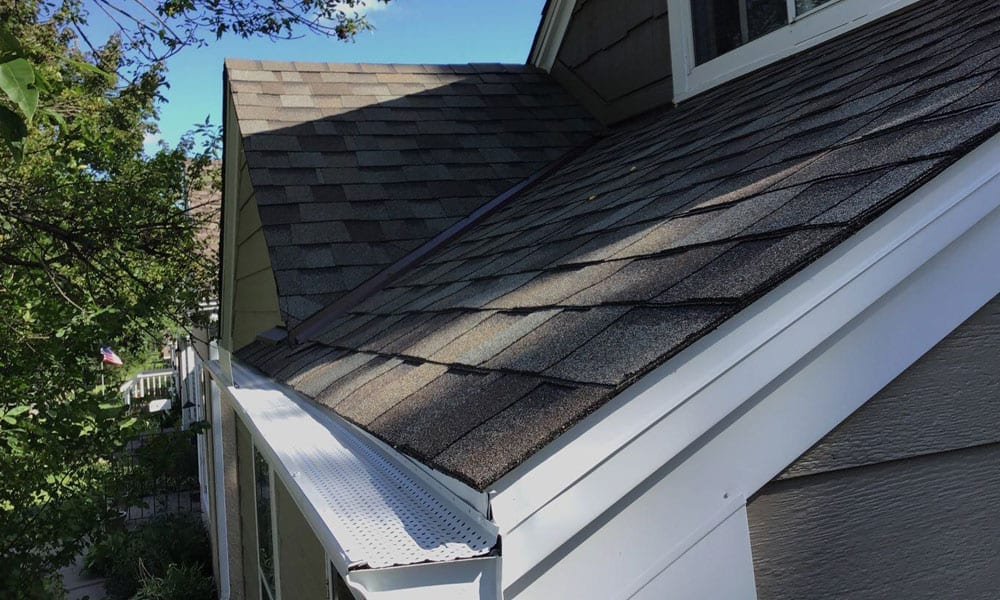
Walk around the perimeter of your home and look for obvious signs of hail damage; typically, you can see damage on softer, more visible surfaces before you’re able to spot it on the shingles themselves. Additionally, gutters and downspouts are two of the easiest places to spot hail damage from the ground, since dents in metal show up clearly and are unlikely to be caused by anything other than impact.
Ground-level inspections are the only type we recommend homeowners perform on their own. We don’t advise climbing onto your roof after a storm, since wet or damaged shingles can be extremely slippery, and it’s easy to underestimate how unstable a hail-damaged roof might be.
Photographing Hail Damage
If you spot any signs of hail damage during your own inspection, be sure to photograph the damage. Not only will this help when you call for hail damage roof repairs, but the photographs can also be used for insurance purposes.
When photographing your roof and property, try to capture both wide shots that show the overall scope of the damage and close-up shots that clearly highlight specific dents, cracks, or granule loss. Photos of dented gutters, downspouts, vents, and any other visible impact points from the ground can go a long way in supporting your case, especially before a professional roof inspection takes place.
Checking for Hidden Hail Damage
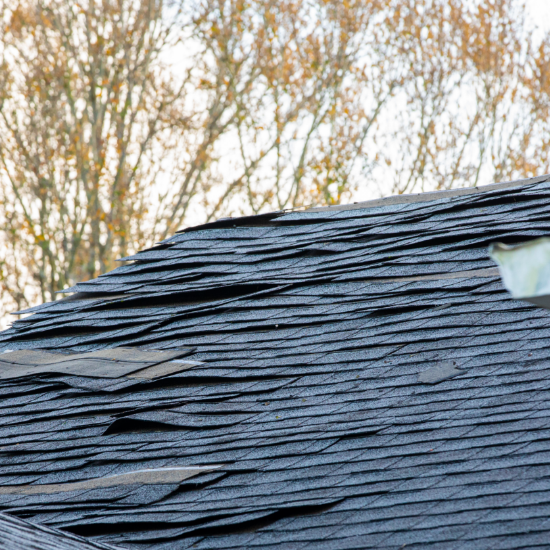
Many times, hail damage can be seen with just a visual inspection. That’s not always the case, though. Some hail damage can be hidden, particularly in areas that aren’t easily visible or accessible without getting up close to your roof. Bruised shingles, for example, may not show any obvious cracking on the surface but can still have compromised structural integrity underneath, weakening their ability to protect your home over time.
Catching hidden hail damage early can make all the difference in preventing costly repairs down the road. Left unaddressed, minor issues that aren’t visible right away can develop into leaks, mold, or more extensive structural damage over time.
Typically, you won’t be able to get this information from a ground-level inspection. Scheduling a professional Minnesota roof inspection will allow you to get the answers you need regarding the amount of damage the hailstorm did to your home.
Scheduling a Roof Inspection
After you’ve taken all the steps you can on your own, it’s time to call on the professionals. Scheduling a professional roof inspection will provide you with a much more thorough and accurate assessment of any hail damage your home may have sustained. Trained roofing contractors know exactly where to look and what signs of impact to check for, from bruised and cracked shingles to damaged flashing, vents, and pipe boots that might not be visible from the ground.
Professional roof inspections are thorough. Your roofer should inspect every part of your roof, from the shingles to the flashing, vents, pipe boots, and gutters, to make sure no potential source of damage goes unnoticed.
The Importance of Documenting Roof Damage for Insurance Purposes
Many homeowners’ insurance policies will cover hail damage repairs, but good documentation of damage is the key to a smooth, successful claim. Insurance companies rely heavily on evidence when determining coverage, and without clear documentation, you run the risk of your claim being underpaid, delayed, or denied altogether.
Fortunately, many Minnesota roofers will help with the hail damage documentation process. They should be able to help provide pictures, written documentation, and detailed hail damage repair estimates that clearly outline the full scope of the damage. This kind of comprehensive support takes much of the burden off your shoulders, since you won’t have to navigate the claims process alone or guess at what your insurance company needs to see.
Schedule Roof Hail Damage Repairs in Minneapolis
Stinson Services makes it easy to get hail damage repairs in Minneapolis and the surrounding Twin Cities area. Our team starts with a thorough inspection of your roofing system to determine the scope of the damage. From there, we develop a comprehensive plan tailored to your roofing system.
Whether it’s surface-level damage or the damage runs deeper, Stinson Services has the experience and resources to get your roof back in top shape, no matter the extent of the damage.
Don’t wait to address hail damage to your roof. Contact Stinson Services today to schedule your inspection and get your Minneapolis home the professional repairs it needs to stay safe and secure.