
Roofing in Minnesota is a task that requires careful planning and consideration due to the state’s notorious winters and temperature extremes. As a trusted Minnesota roofing company, we understand the importance of knowing when it’s safe and efficient to undertake roofing projects.
At Stinson Services, we’re no stranger to the cold Minnesota weather. Let’s dive deeper into the issues that arise when temperatures drop below freezing and explore how they can impact Minnesota roofing projects.
How Cold Weather Affects Minnesota Roofing
Winter roofing projects can present challenges that may not develop during periods of warmer weather across the year. The winter weather takes a toll, and in a climate with winters as severe as Minnesota, it’s important to understand how freezing temperatures can affect both the materials and the work itself. Here’s how the Minnesota cold weather can affect roofing:
Sealant Bonding Issues
 One of the primary concerns when roofing in cold temperatures is the bonding of adhesive seals on roofing materials. Sealants play a crucial role in preventing water infiltration and ensuring the longevity of the roof. However, when the temperature drops too low, these sealants may not seal properly, leading to potential leaks and reduced wind resistance.
Inadequate bonding can result in water seeping into the roof structure, causing damage to the underlying materials and promoting the growth of mold and mildew. Additionally, if the seals on shingles do not adhere properly, the roof’s ability to withstand strong winds can be compromised, increasing the risk of shingle uplift and damage during storms. Proper sealing will make sure your roofing project was completed properly and leaves your home safer.
Shingle Flexibility and Durability
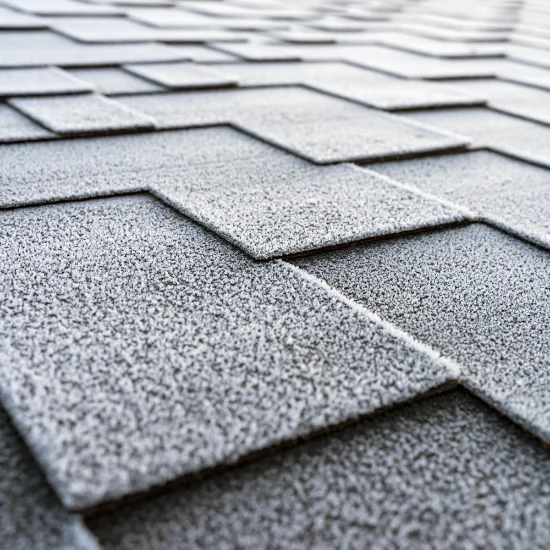
 Another significant issue when roofing in cold weather, especially below 40°F, is the flexibility and durability of roofing materials. Asphalt shingles, the most commonly used roofing material in Minnesota, can become brittle and lose their flexibility in cold weather conditions. This loss of flexibility makes them highly susceptible to cracking and breaking during installation or repairs.
Installing asphalt shingles that have stiffened in the cold makes it harder to lay them flat and secure them properly, which can leave gaps or uneven spots across the roof’s surface. This can lead to gaps or uneven surfaces on the roof, which can compromise the integrity of the roofing system. Moreover, brittle shingles are more likely to crack when exposed to stress, such as the weight of snow and ice during winter storms.
In extreme cases, shingle damage can be so severe that it necessitates the replacement of the entire roof. This can be a costly and time-consuming process for homeowners, making it crucial to avoid roofing in excessively cold temperatures.
Safety Concerns for Roofing Crews
 Roofing in freezing temperatures also poses significant safety concerns for roofing crews. The icy and slippery conditions on the roof increase the risk of accidents and injuries. Crew members may slip and fall, leading to injuries that can range from minor bruises to more severe issues like broken bones or concussions.
Safety is a top priority for any Minnesota roofing company, and roofing in excessively cold conditions can compromise the well-being of the crew. Project delays may occur due to weather-related accidents or injuries, which can result in additional costs and inconvenience for homeowners.
The Optimal Minnesota Roofing Temperature and Manufacturers’ Recommendations
Given the challenges posed by extremely cold temperatures, it’s essential for homeowners and roofing contractors to choose the right time for roofing projects in Minnesota. The optimal temperature range for roofing generally falls between 40°F and 85°F.
Within this temperature range, asphalt shingles maintain their flexibility and durability, making them easier to handle and install. The adhesive seals on roofing materials bond correctly, ensuring the roof’s integrity and weather resistance. Additionally, working in milder temperatures minimizes safety risks for roofing crews.
While most asphalt shingle manufacturers offer guidelines for optimal installation temperatures, they also specify that it is possible to install their roofing products in lower or higher temperatures, provided that proper precautions and procedures are followed. Owens Corning and GAF suggest installing their shingles in temperatures above 40°F.
So, What Temperature is Too Cold for Roofing in Minnesota?
Temperatures below freezing can significantly impact the quality and safety of any roofing project. Shingles can crack or break when they’re bent or nailed in extreme cold, and the seal strips may not activate until warmer weather arrives, which can leave the roof more vulnerable to wind and moisture in the meantime. Ice and snow on the roof surface also make conditions slippery and more difficult to work in, so it’s important to work with a contractor who knows when to move forward and when it’s better to wait.
Navigating Minnesota’s Roofing Challenges
Roofing in Minnesota’s cold winters requires careful planning and consideration. Understanding the challenges posed by extremely cold temperatures, such as shingle flexibility, sealant bonding, and safety concerns, is crucial for the success of roofing projects.
As a trusted Minnesota roofing company, we emphasize the importance of choosing the right temperature for roofing work. The optimal temperature range, generally between 40°F and 85°F, ensures that roofing materials perform at their best and minimizes safety risks for roofing crews.
By planning ahead, monitoring weather forecasts, and selecting experienced contractors, homeowners can ensure that their roofing projects in Minnesota are completed efficiently and effectively. Choosing the right time and temperature for roofing work ultimately contributes to the longevity and durability of the roof, protecting the home from the challenges of the state’s notorious winter months.
What About Roofing Emergencies During Winter?
Just because winter has arrived, that doesn’t mean roofs will necessarily be safe from emergencies. In fact, many roofing emergencies only develop during winter, like issues due to ice dams, freeze-thaw cycles, and heavy snow loads that put extra strain on the roof’s structure.
When a roofing problem can’t wait for temperatures to rise above the 40°F minimum, your Minnesota roofer should be able to provide you with a temporary fix that will protect your home until permanent repairs can be made. Temporary solutions like tarping or patching a damaged area will do the trick until the weather warms up, keeping moisture out and helping prevent further damage to your property’s interior.
Schedule Roofing Services in Minnesota With Stinson Services
From new roof installations to roof repairs and everything in between, Stinson Services proudly provides comprehensive roofing services in Minneapolis, the Twin Cities, and the surrounding areas. Minnesota homeowners deserve year-round protection, and when winter hits, we’ll help you decide whether your project should move forward now or wait for warmer temperatures, so your roof gets the care it needs without cutting corners.
Reach out today to schedule your free roof inspection, and let’s talk through the best plan to keep your property protected through every Minnesota season.
Frequently Asked Questions
How do freeze-thaw cycles affect Minnesota roofing?
When melting snow seeps into small cracks or gaps and then refreezes, it expands and can gradually loosen shingles, lift flashing, and widen openings in the roof. Over time, these repeated cycles can lead to leaks, ice dams, and damage to the materials underneath if small issues aren’t addressed early.
What’s the ideal temperature range to install roofs?
Most roofing work is best done when temperatures fall between 40°F and 85°F, since shingles stay flexible and seal strips bond the way they’re designed to. Within this ideal range, materials are easier to handle and the finished roof is better prepared to stand up to wind and moisture.
Can foot traffic do more damage to a roof in the cold?
Yes, shingles become more brittle in freezing temperatures, so walking on them can cause cracks, broken edges, or granule loss more easily than it would in warmer weather. That’s why it’s best to limit time on the roof during cold spells and leave any necessary work to experienced professionals.
What extra precautions should a roofer take during cold temperatures?
A careful roofer will keep materials stored somewhere warm until they’re ready to be installed and may hand-seal shingles when the temperature is too low for the seal strips to activate on their own. Clearing snow and ice and taking extra time with safety measures also helps protect both the crew and the quality of the finished roof.
What’s the lowest recommended temperature for roofing services?
Leading manufacturers recommend installing shingles when temperatures are above 40°F. Work can sometimes be done in colder conditions with special precautions, but it’s always worth talking with a trusted local roofer about whether it makes sense for your property.