
A More Comfortable, Efficient Home Starts in the Attic
Attic insulation goes a long way toward keeping your home comfortable. But because it’s hidden behind walls and above ceilings, most people don’t often give much thought to its condition until a problem shows up.
From uncomfortable indoor temperatures to high energy bills, degrading or insufficient insulation can take a toll. Let’s walk through the basics of professional attic insulation services so you know what to expect, from the materials and installation process to the signs that your home is due for an upgrade. A little background knowledge makes it easier to spot problems early and keep your home comfortable and efficient all year long.
What Attic Insulation Does
At its core, attic insulation slows down the transfer of heat. This means in the winter, any heat created by your furnace or home heating system will stay in your home for longer. On the flip side, when it’s summer, it keeps the heat from the sun-baked roof from seeping into your living spaces, so your air conditioner doesn’t have to work as hard to keep things cool.
When your home has a proper level of insulation, your HVAC systems won’t have to run as long or work as hard to keep your home at the right temperature. This helps you save on energy bills, makes your home more comfortable, and reduces wear and tear on your heating and cooling equipment, which can help extend its lifespan.
Why Your Home Needs a Proper Amount of Attic Insulation
An attic without an adequate level of insulation, or with insulation that has settled, compressed, or become damaged, allows heat to move into or out of the attic more freely. The effects of that heat movement reach beyond the living spaces below. Warm, humid air that escapes into a poorly insulated attic can condense on cooler surfaces like roof sheathing and rafters, creating the moisture that leads to mold growth, wood rot, and damage to the roof structure over time.
The right amount of insulation depends largely on where you live. Insulation is measured by R-value, which reflects how well it resists heat flow, and homes in colder regions need a higher R-value than those in milder climates to perform as intended. Many older homes were insulated to standards that fall short of current recommendations, so even an attic that was properly insulated decades ago may no longer provide the protection it needs.
Bringing your insulation up to the recommended level for your area helps protect the structure of your home along with the comfort of everyone inside it.
The Different Types of Attic Insulation
There are three main types of attic insulation:
Fiberglass Insulation
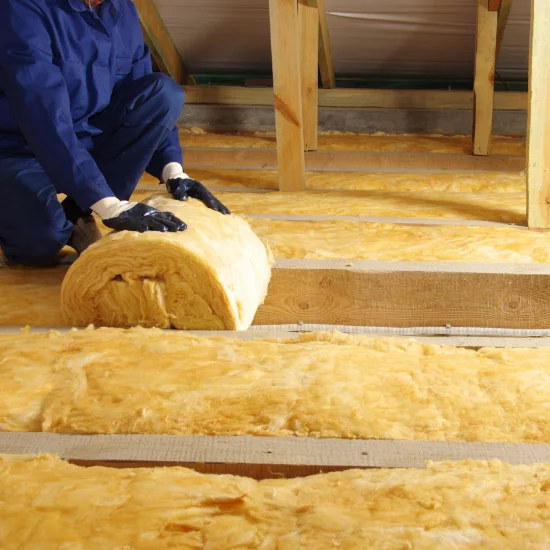
A great choice for both insulation upgrades and brand-new installations, fiberglass excels at slowing heat transfer and improving energy efficiency. It’s usually installed in rolls and batts that fit between attic joists. Fiberglass is naturally resistant to moisture and fire, won’t settle significantly over time, and offers dependable performance.
Blown-In Cellulose Insulation
Blown-in cellulose is made of recycled materials and can fill gaps in hard-to-reach areas. It’s usually used to upgrade existing insulation to restore overall insulation efficiency and performance.
Spray Foam Insulation
Spray foam is applied as a liquid that quickly expands to fill cracks, gaps, and cavities, creating an airtight seal that blocks drafts and air leaks. It offers a high R-value per inch, making it especially effective in tight spaces where depth is limited.
Attic Insulation Safety
Attic insulation is made up of materials such as fiberglass, cellulose, mineral wool, and spray foam; each of these can pose a health risk, so it’s important to take the necessary precautions.
Fiberglass can irritate the eyes, skin, and lungs. Cellulose and mineral wool can produce fine dust that leads to respiratory problems. Spray foam releases chemical fumes and can cause headaches and breathing difficulties.
At Stinson Services, when we work on an insulation project we always wear our safety equipment. It’s important to prevent insulation irritation by wearing the appropriate equipment. Small insulation fibers can get into your lungs and affect your breathing. Safety matters, and we always put the necessary precautions in place to protect ourselves and your Maple Grove area home.
Our Attic Insulation Approach in Practice
During a recent service appointment, our team helped a family reduce their energy bill by simply adding attic insulation, checking for proper ventilation, and sealing all the bypasses that enter through their ceiling.
The attic’s insulation measured 10-12 inches deep throughout the attic, which gave us an R-value 30 to 35. We added another 7 to 9 inches of insulation to get their attic up to Minnesota standards which is R-50.
How We Did It
- First we inspected the attic’s ventilation to ensure that the home was breathing properly. Nearly all the vent chutes were still in place from the original install, so we tacked up the drooping vent chutes with a hammer tacker before moving on.
- Our next step was finding all the bypasses in the attic. We located and spray foamed around each bypass to seal any cracks leading into the attic. Below is a decent video of our attic insulation installer sealing the bypasses. (Our camera work wasn’t great and we’ll work on getting better footage down the line.)
- Lastly, we added the 7 to 9 inches of fiberglass insulation throughout the entire attic. We determined the depth by stapling attic rulers around the walls and rafters to give our installer a good reference on how much insulation needed to be added in specific areas.
Talk to Stinson Services About Attic Insulation in Maple Grove, MN
If your home is struggling to stay comfortable or your energy bills keep creeping up, the insulation above your ceiling may be part of the problem. Stinson Services can inspect your attic, measure your current insulation levels, check ventilation, and seal air bypasses before adding insulation to bring your home up to the recommended R-value for Maple Grove, Minnesota winters.
Contact us today to schedule an attic insulation assessment for your Maple Grove home.